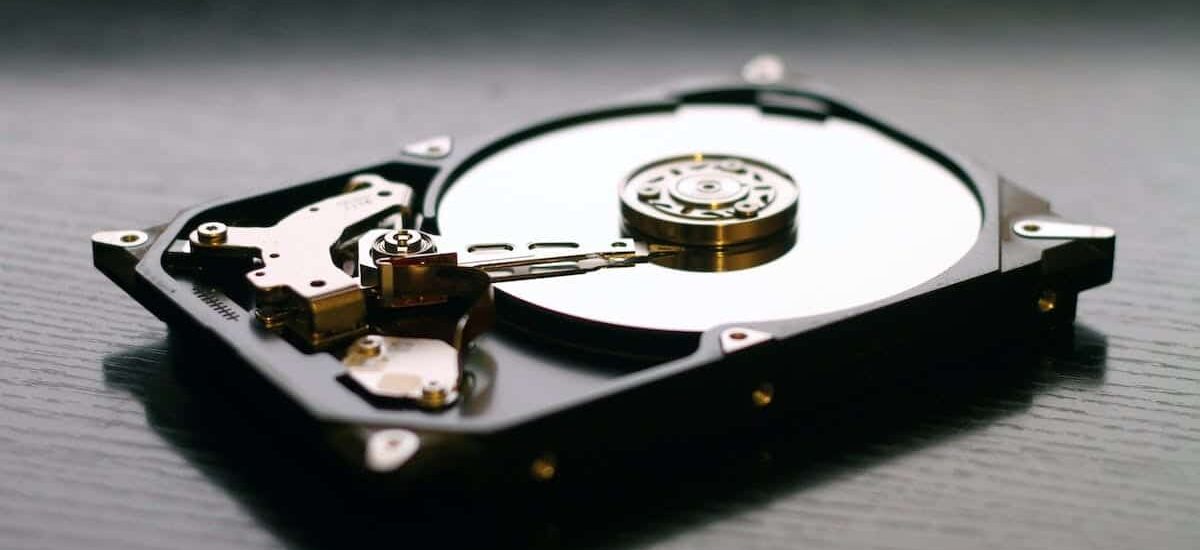
Computer technology can sometimes seem confusing with its many complexities and nuances. One common yet often perplexing task is formatting an external hard drive to be compatible with both Mac and Windows operating systems. Although these two major computing platforms are widely used, their hardware compatibility is not always straightforward. Indeed, for an external hard drive to be usable on both systems, it must be formatted in a certain way. This detailed guide aims to simplify this process by providing step-by-step instructions for formatting an external hard drive compatible with Mac and Windows.
How to choose the right external hard drive: the ideal format
The preliminary step to prepare the hard drive for use on Mac and Windows is to back up all important data stored on it. It should be noted that formatting the computer’s hard drive will result in the permanent deletion of stored information.
After connecting your external hard drive to your computer, open the corresponding utility: ‘Utilities’ on Mac and ‘Disk Management’ on Windows. This is where you will see the different system partitions, including that of the external hard drive to be formatted.
The next step is to select the correct drive from the list provided by these tools. Extreme caution is required here as a mistake could lead to the accidental loss of your valuable data.
Now comes a crucial phase: format the computer’s hard drive to a universal format like FAT32 or exFAT that ensures compatibility with both Mac and Windows. Before starting this operation, it is advisable to be certain that no important unsaved data remains on it.
Once reassured, simply click on ‘Format’. Wait while the process takes place • this could take a few minutes or even several hours depending on the size of the device concerned.
When everything is finished, congratulations! Your unit is now compatible with both popular platforms • Mac OS X and Windows • without the need for any additional software to read your files!
In summary, formatting the computer’s hard drive for maximum compatibility between Mac and PC requires caution and patience, but it is far from insurmountable if you follow these key steps: Make a secure copy of your data, choose your utility, correctly enter its path, select a universal format (FAT32 or exFAT), check before taking any radical action like this, and wait until the process is fully completed. Thanks to this practical guide, you should now be able to use your external memory interchangeably between any machine running either in an Apple or Microsoft environment.

Preparing a hard drive for use on Mac and Windows: essential steps
Once you have connected your external hard drive to your computer, follow these steps.
To begin, open the corresponding utility on your operating system. On Mac, this is done by accessing ‘Utilities’ in the Applications folder. On Windows, you can use the ‘Disk Management’ tool, accessible from the Start menu.
Once you have opened the disk utility, look for the list of partitions on your computer. You should find the one corresponding to your external hard drive. This step is necessary to correctly select the right drive.
After identifying the correct drive, click on it to highlight the partition of the external hard drive to be formatted. Make sure once again that no important unsaved data remains on it before proceeding to the next action.
Now comes the crucial phase: choose a universal format that ensures compatibility with both operating systems • Mac OS X and Windows. The FAT32 and exFAT formats are recommended in this case as they are supported by both platforms.
Then click on the ‘Format’ button or any other similar option available in the disk utility. Wait patiently for the process to take place, knowing that it may take a few minutes or even several hours depending on the size of the external hard drive.
Once the formatting is complete, you have succeeded! Your external hard drive is now compatible with Mac and Windows, without needing to resort to additional software to read your files. You can now transfer, back up, and share data between the two systems with ease.
Formatting an external hard drive to ensure its compatibility with Mac and Windows may seem complex, but by following these simple steps, you can achieve it without worry. Remember to back up all your important data before proceeding with the formatting.
Formatting your hard drive with the disk utility: the practical guide
After formatting your external hard drive to ensure its compatibility with Mac and Windows, you need to check if the process was completed successfully. Here are some simple steps to perform this verification.
Reconnect your external hard drive to the computer. Ensure that the cables are properly connected and that the device is correctly detected by your operating system.
Once connected, access the disk management utility on your computer. On Mac, you can find this utility in the Applications > Utilities folder. On Windows, use the Disk Management tool available from the Start menu.
In the disk management utility, locate the partition corresponding to your recently formatted external hard drive. Check that it appears as a healthy volume and is correctly identified according to the chosen file system (FAT32 or exFAT).
Right-click on the partition of the external hard drive and select Properties or Information depending on your operating system.
In the window that appears, you should see details related to the formatting of the external hard drive as well as its total free space. Ensure that this information meets expectations in terms of compatibility and storage capacity.
Checking the compatibility of a formatted hard drive with Mac and Windows: points to verify
Beyond simple verification, certain precautions should be taken to optimize the use of your external hard drive. Here are some additional tips to follow:
Properly eject the external hard drive: Before unplugging your external hard drive, always ensure to eject the device using the appropriate option in the operating system. This helps avoid any data corruption and ensures safe use of the drive.
Regularly back up your data: Even if your external hard drive offers a large storage capacity, it is important to regularly back up your data to another medium (like a second drive) to avoid any accidental loss or hardware failure.
Keep your system updated: Ensure that the latest updates are installed on your computer, including drivers and software related to formatting and managing external devices. This will ensure continued compatibility between the operating system and your external hard drive.