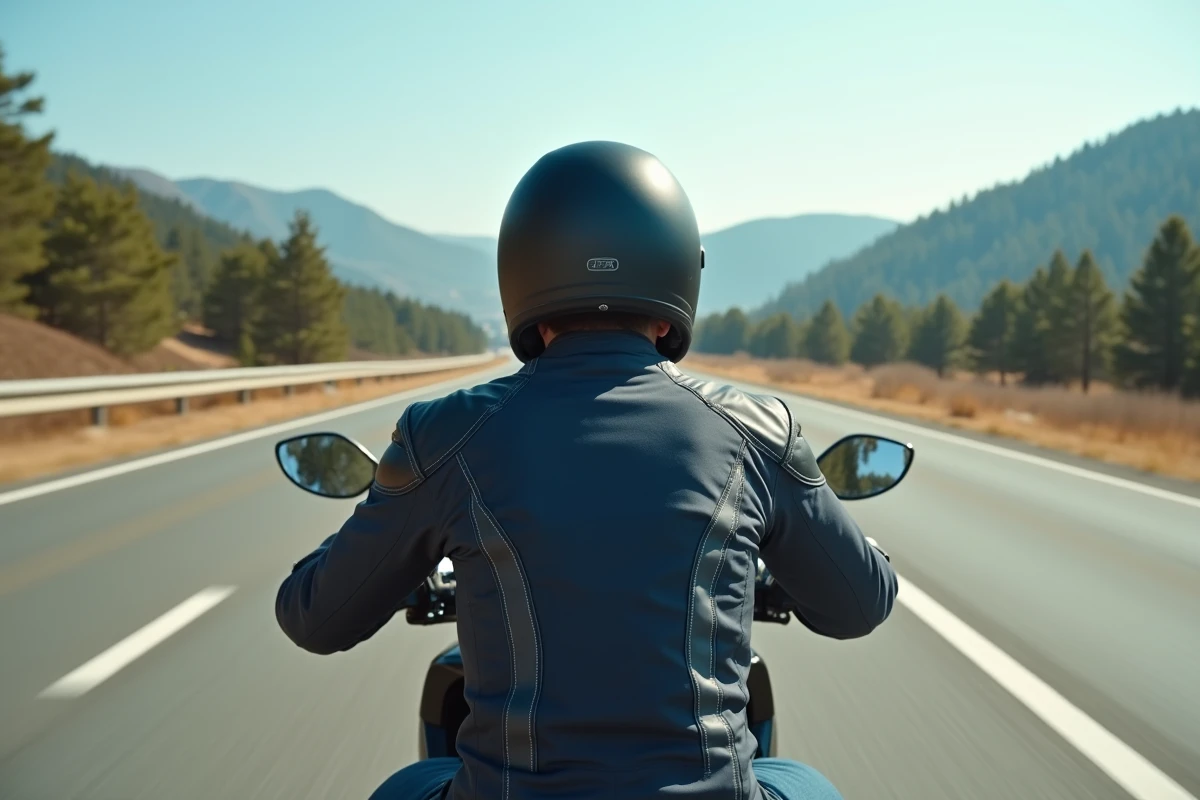
Riding on the highway with a scooter imposes constraints that city riding does not reveal. High-speed vibrations, fatigue from the riding position, and fuel consumption that increases as speed stabilizes above 110 km/h: the choice of model directly affects the level of comfort and safety on long trips.
The French regulatory framework allows access to fast lanes for any two-wheeler with an engine capacity exceeding 125 cm³ (or equivalent power for electric models). This legal authorization says nothing about the actual ability of a scooter to cover several hundred kilometers.
Stability and engine power on fast lanes: what separates a maxi scooter from an urban model
A scooter designed for the city prioritizes low-speed maneuverability, with a short wheelbase and small-diameter wheels. On the highway, these characteristics become disadvantages. The turbulence generated by heavy trucks further destabilizes a compact chassis, and the engine runs close to its maximum speed to maintain a legal cruising speed.
Maxi scooters, a category that includes models like the Honda Forza 750, Yamaha TMAX, or BMW C 650 GT, address this issue with a different architecture. Larger wheels, an extended wheelbase, and a twin-cylinder engine in some cases: these elements provide stability that urban-oriented models cannot offer. The difference is felt from the first kilometers on the fast lane.
Identifying the best scooter for the highway requires looking beyond the advertised power: weight distribution, type of transmission, and the behavior of the windshield at high speeds are just as important as horsepower.
Seat comfort and range: the two criteria that determine a long trip
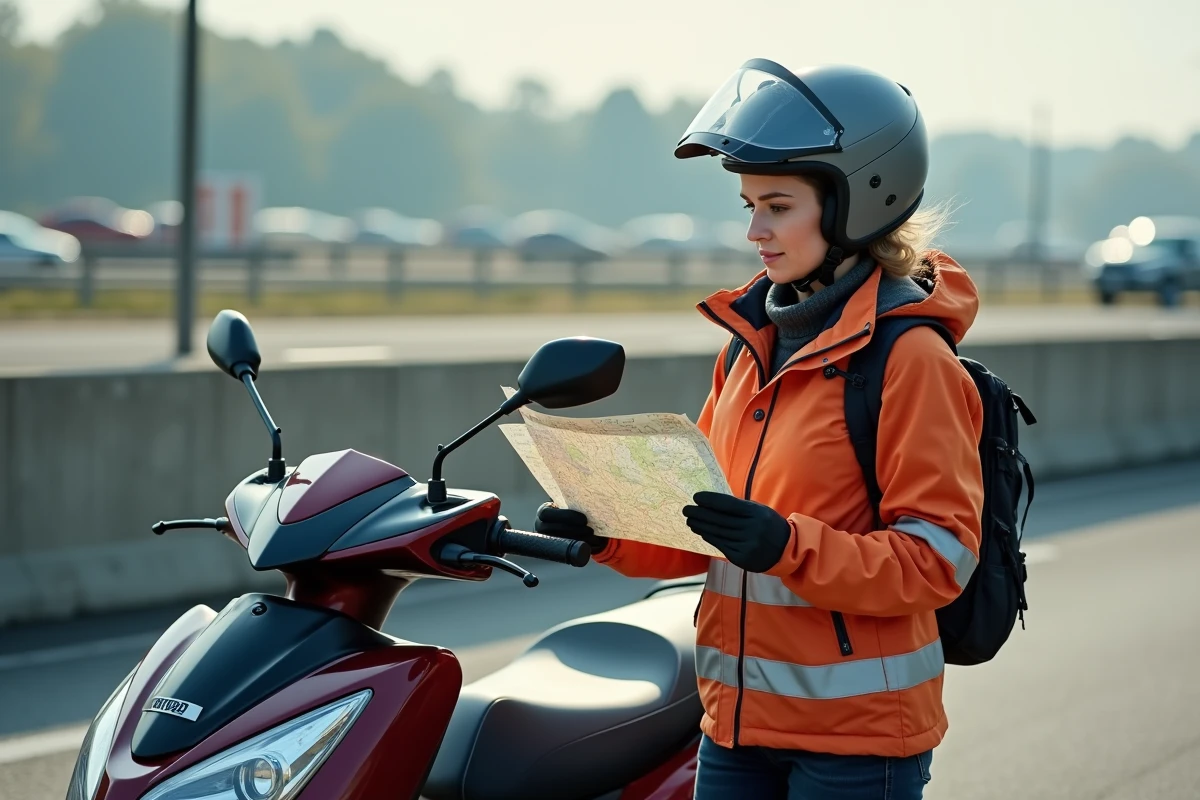
On a journey of two or three hours without a break, the seat becomes the primary limiting factor. A seat that is too narrow or too firm causes lower back pain that makes the end of the trip uncomfortable. Models designed for long trips generally offer a wider seat, sometimes in two levels, with padding designed to absorb vibrations transmitted by the frame.
Range varies significantly from one model to another, even with comparable engine capacities. Consumption depends on the type of engine, total weight when loaded, and aerodynamics. A scooter with full fairing and a tall windshield consumes less at stabilized speed than a model with a more open profile because air resistance decreases for both the rider and the mechanics.
Elements to check before purchase
- The fuel tank capacity and the announced consumption in mixed cycle (not just in the city) help estimate the real range on the highway, where consumption increases significantly
- The height and width of the windshield determine protection against wind and weather, a fatigue factor often underestimated on trips longer than an hour
- The volume of the under-seat storage affects the ability to carry a full-face helmet and a minimum of luggage without adding a top case, which alters aerodynamics
- The presence of a cruise control or a driving mode dedicated to long distances reduces strain on the right wrist during monotonous stretches
Scooter or motorcycle for the highway: an increasingly blurred line
The traditional distinction between scooter and motorcycle blurs in the maxi scooter segment. The BMW C 400 GT or the Honda Forza 750 come equipped with features once reserved for touring motorcycles: traction control, next-generation ABS, adjustable suspension. The price of these models is also close to that of a motorcycle with equivalent engine capacity.
The real difference remains the transmission. A scooter uses an automatic transmission (variator), which eliminates the need for gear shifting. On the highway, this translates to superior driving comfort during acceleration and deceleration phases, especially in dense traffic near large urban areas. However, the variator offers less engine control during braking than a manual gearbox, a point that matters on prolonged descents in mountainous trips.
Budget and operating costs of a touring maxi scooter
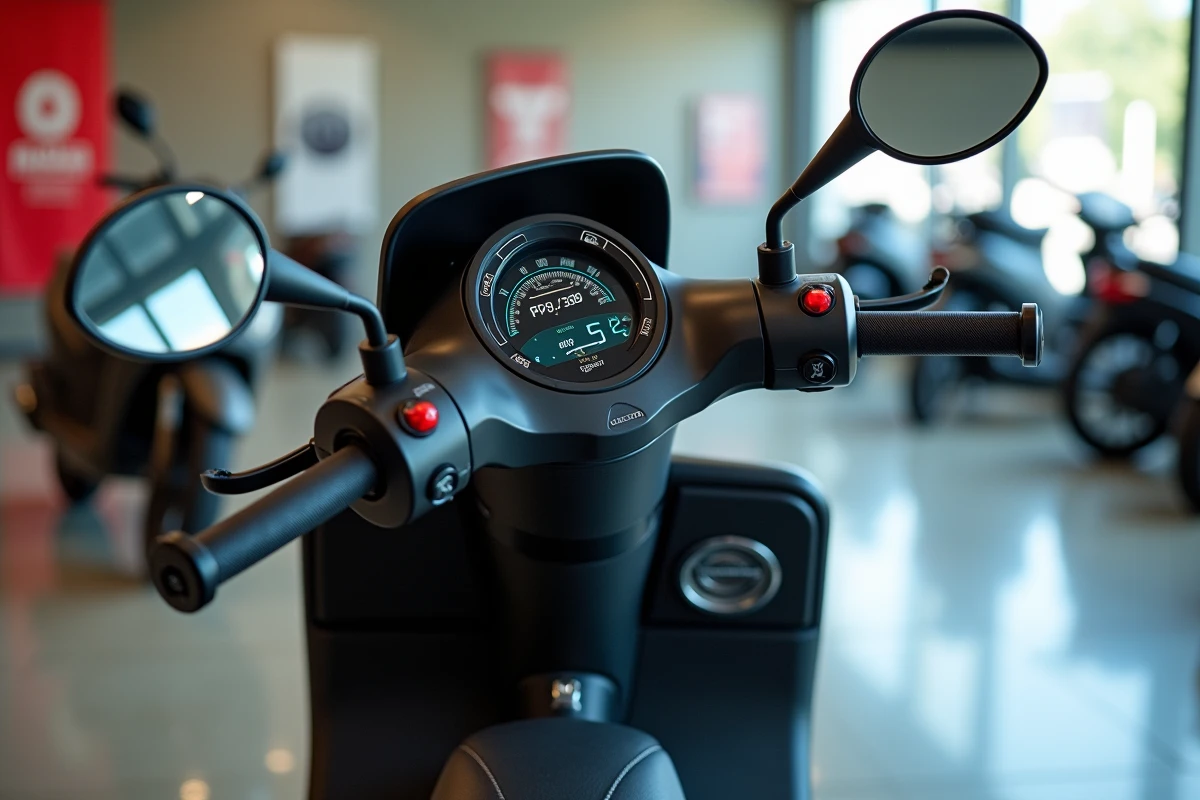
The purchase price represents only part of the equation. The maintenance of a maxi scooter differs from that of a classic motorcycle: the replacement of the transmission belt, specific to scooters, constitutes an expense to anticipate. The frequency of replacement varies according to manufacturers and usage, but regular highway trips put more strain on this part than strictly urban use.
Consumption on the highway often exceeds that announced in mixed cycle. Manufacturers measure consumption under standardized conditions that do not reflect the reality of a sustained-speed trip with a passenger and luggage. Allowing for a margin helps avoid unpleasant surprises on stretches where gas stations are sparse.
What drives up costs over time
- Tires suited for long trips (harder rubber, road profile) cost more than urban tires but last longer at high speeds
- Insurance for a maxi scooter is similar to that of a motorcycle with comparable power, especially for models with a high new value
- Comfort accessories (tall windshield, heated grips, gel seat) represent an additional investment but transform the experience on trips lasting several hours
Choosing a scooter for the highway means balancing the comfort of automatic transmission against the performance of a touring motorcycle. Models like the Forza 750 or the TMAX have significantly reduced this gap in recent years.
The decisive criterion remains actual usage: frequency of long trips, regular presence of a passenger, type of roads taken. A test ride on open roads, not just in a dealership, remains the only reliable way to validate that a model suits one’s morphology and expectations.