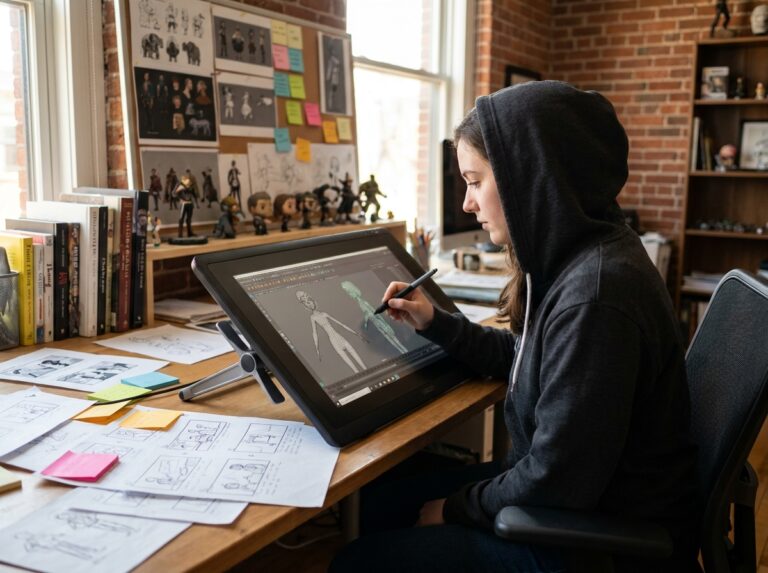
Contemporary art is not limited to the canvases hanging in museums. It encompasses practices as varied as performance, video installation, or AI-assisted creation. For those interested without necessarily attending Parisian openings, the first obstacle often remains the same: where to start to spot emerging artists and understand what is happening in their works?
Contemporary creation and artificial intelligence: a shifting boundary
Have you ever seen AI-generated images on social media? Some galleries are now incorporating these creations into their exhibitions alongside paintings and sculptures. The CHONG Gallery in Geneva, for example, showcases works created with artificial intelligence tools alongside photographs and three-dimensional pieces.
This coexistence changes the way we define artistic gesture. AI does not replace the artist; it becomes a medium among others. A painter chooses their pigments, a sculptor their clay; some creators choose an algorithm. The result is judged on the same criteria: intention, mastery, the ability to provoke emotion or reflection.
For emerging artists, this openness represents an additional entry point. Those who cannot afford to rent a studio or finance a bronze casting can produce and disseminate digital works at a lower cost. Online galleries and hybrid physical spaces offer them visibility that would have been unthinkable ten years ago.
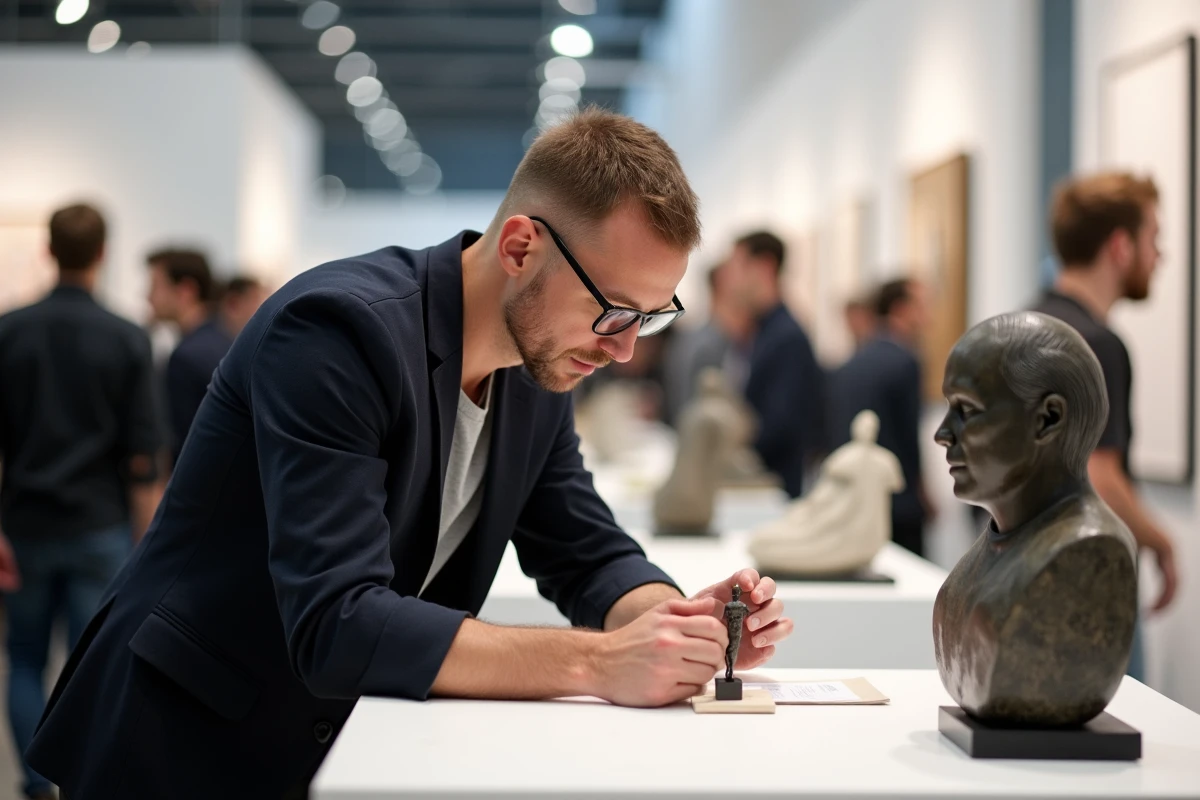
Several platforms allow you to browse catalogs of contemporary artists, whether they work in drawing, painting, or mixed techniques. You can explore varied selections on https://www.ricci-art.net/, which brings together contemporary artworks in different disciplines.
Contemporary art fairs: where to spot emerging artists
Fairs remain the preferred hunting ground for discovering new talents. Their strength lies in concentrating dozens of selected artistic proposals in one place over a few days.
The Salon de Montrouge is one of the most followed events in France for emerging artists. Each edition presents a selection of creators identified by a professional jury. The fair also offers guided tours and workshops, including for children, led directly by the artists with prior registration.
This educational and intergenerational format changes the game. Contemporary art steps out of its insular world to reach a broader audience. A child participating in a workshop with an emerging artist no longer views an exhibition in the same way afterward.
Free access, an underestimated lever for artistic discovery
Many of these events are accessible for free. Free access strongly influences the diversity of the audience and the access to works by artists at the beginning of their careers. When entry costs nothing, visitors are more likely to take the risk of entering an exhibition they are unfamiliar with.
This economic dimension is rarely treated as a subject in itself. Programmers know this: a free fair attracts a diverse range of profiles, from seasoned collectors to curious locals. It is in this mix that the first sales and career follow-ups for an emerging artist occur.
Professional recognition of emerging visual artists
Beyond exhibitions, concrete initiatives help artists structure their careers. The ADAGP (Society of Authors in Graphic and Plastic Arts) awards the Revelation in Visual Arts each year. This prize targets an emerging artist, providing financial support and a dedicated presentation as part of 100% L’EXPO.
This type of recognition has a dual effect:
- It provides institutional legitimacy that reassures galleries and potential collectors
- It offers direct financial support at a time when most emerging artists live on precarious incomes
- It creates a visible signal in the professional community, facilitating access to other residencies, grants, or exhibitions
For a collector or an enthusiast looking to identify artists to follow, awards and recognitions serve as reliable filters. They do not guarantee the future value of a work, but they attest to a professional eye being cast on a piece.
Open studios and non-gallery formats: contemporary art in the field
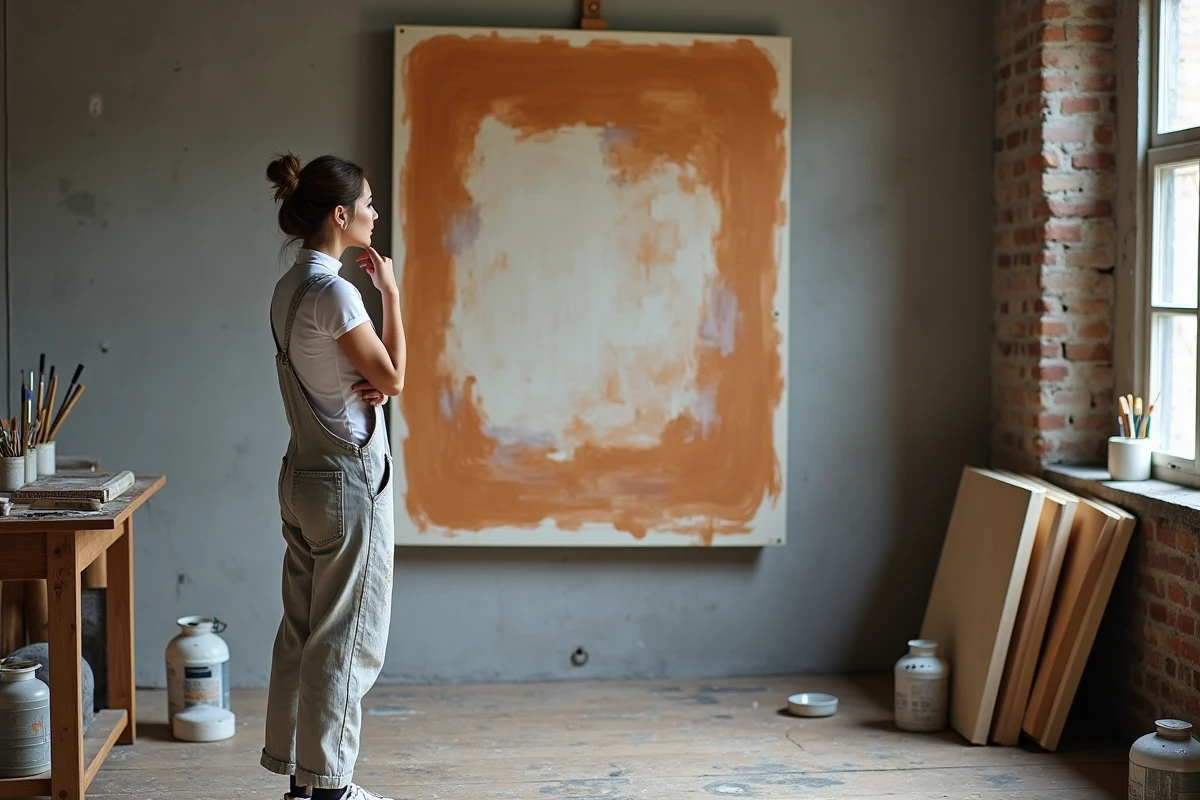
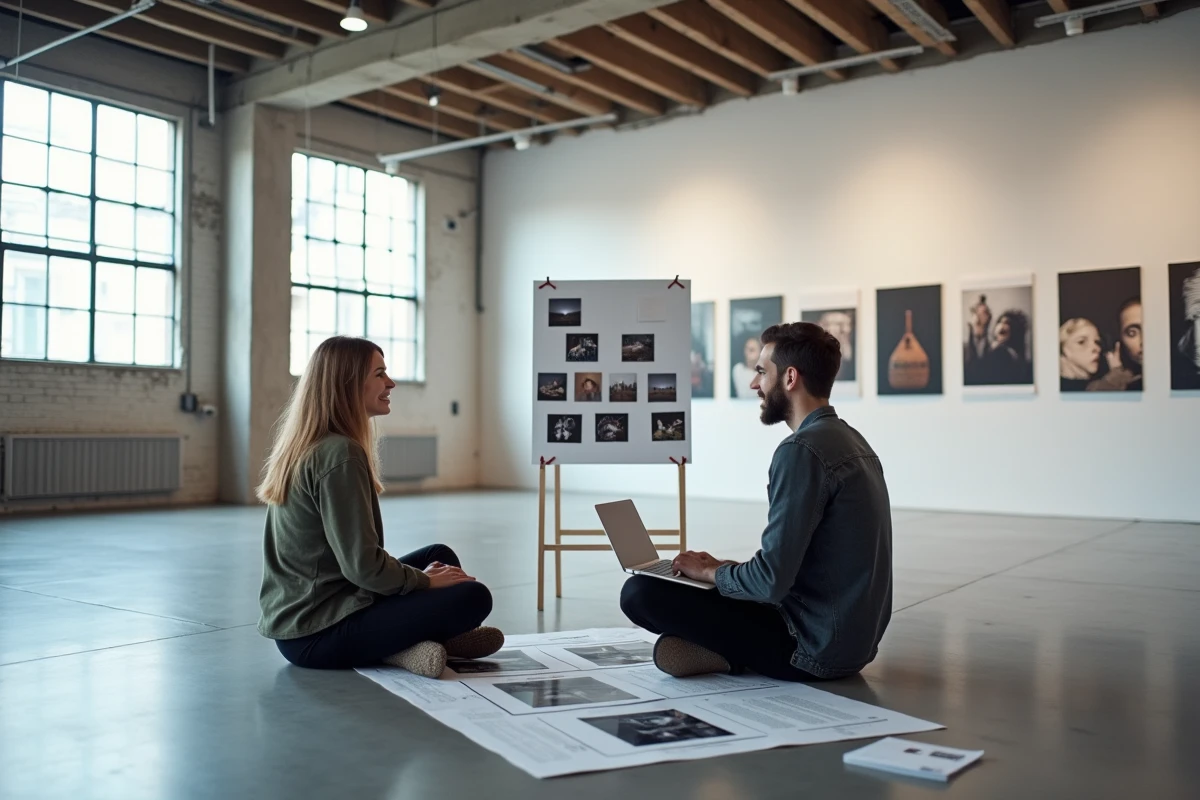
Discovery does not only happen through traditional exhibition spaces. Open studio events offer direct access to the creative process. Montrouge regularly organizes this type of event, allowing the public to enter studios and interact with creators.
Seeing an artist in their workspace transforms the perception of their work. One better understands the choices of materials, technical constraints, and hesitations. The finished work in a gallery tells a story; the studio tells the journey.
Other formats are emerging: artistic immersion programs, open residencies, urban tours. In Marseille, initiatives highlight a Mediterranean new generation. In Montreal, Art Souterrain offers installations in underground spaces. These formats break down the barriers of contemporary creation and make it accessible outside traditional circuits.
Three concrete paths to start exploring
- Follow the programming of regional and national fairs (Montrouge, but also local fairs that feature sections dedicated to emerging artists)
- Consult the winners of awards like the Revelation in Visual Arts from ADAGP to identify artists recognized by professionals
- Participate in open studio events in your city, often announced by local municipalities or artist collectives
Contemporary art is rarely discovered all at once. It is a practice that refines over time, through the exhibitions visited, the workshops attended, and the works that linger in your mind long after you’ve seen them. The best starting point remains curiosity, directed towards places that dare to show what does not yet exist in the history books of art.