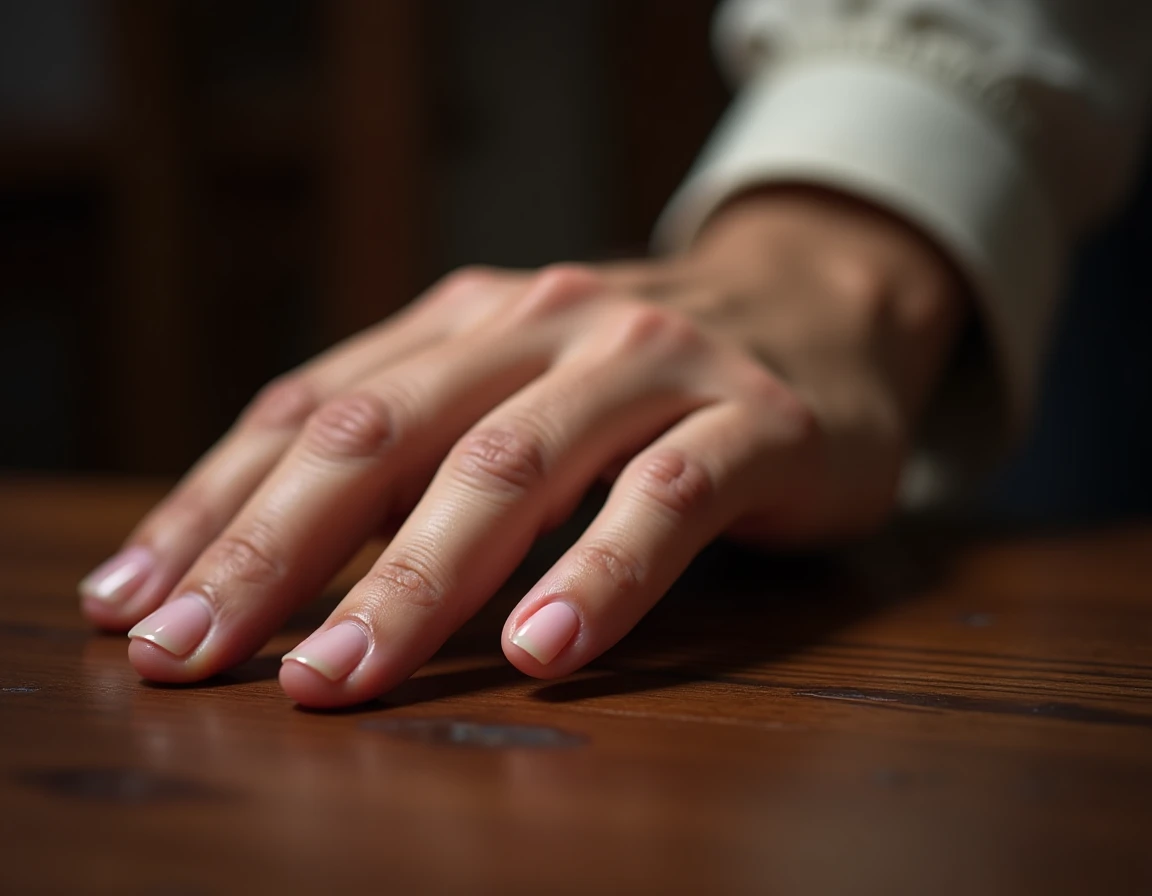
The long nail of the little finger is neither a matter of chance nor mere vanity. This practice, attested across several continents and through centuries of social stratification, encodes precise information about the rank, gender, and function of the person who sports it. We observe that contemporary readings tend to flatten this diversity into a single folkloric narrative, while the social mechanisms at play deserve closer examination.
Long little finger nail and masculine codes: an under-documented gender dimension
The vast majority of long little finger nail wearers are men. This is not an anecdotal detail. In societies where this practice has developed, it functions as a marker of non-laborious masculinity: the man who displays this nail publicly declares that he does not need to use his hands for work.
Women, in these same cultural contexts, often wore long nails on several fingers, even all of them. The unique nail of the little finger, however, remains a masculine gender code. The distinction lies in the selectivity of the gesture: a single finger, precisely chosen, is enough to convey the message.
We find here a pattern comparable to other codified masculine clothing signs (signet rings, ceremonial canes) where the object serves no functional purpose, and it is precisely this uselessness that carries social value. Exploring the meaning of the long little finger nail from this gendered perspective allows us to go beyond purely regional interpretations.
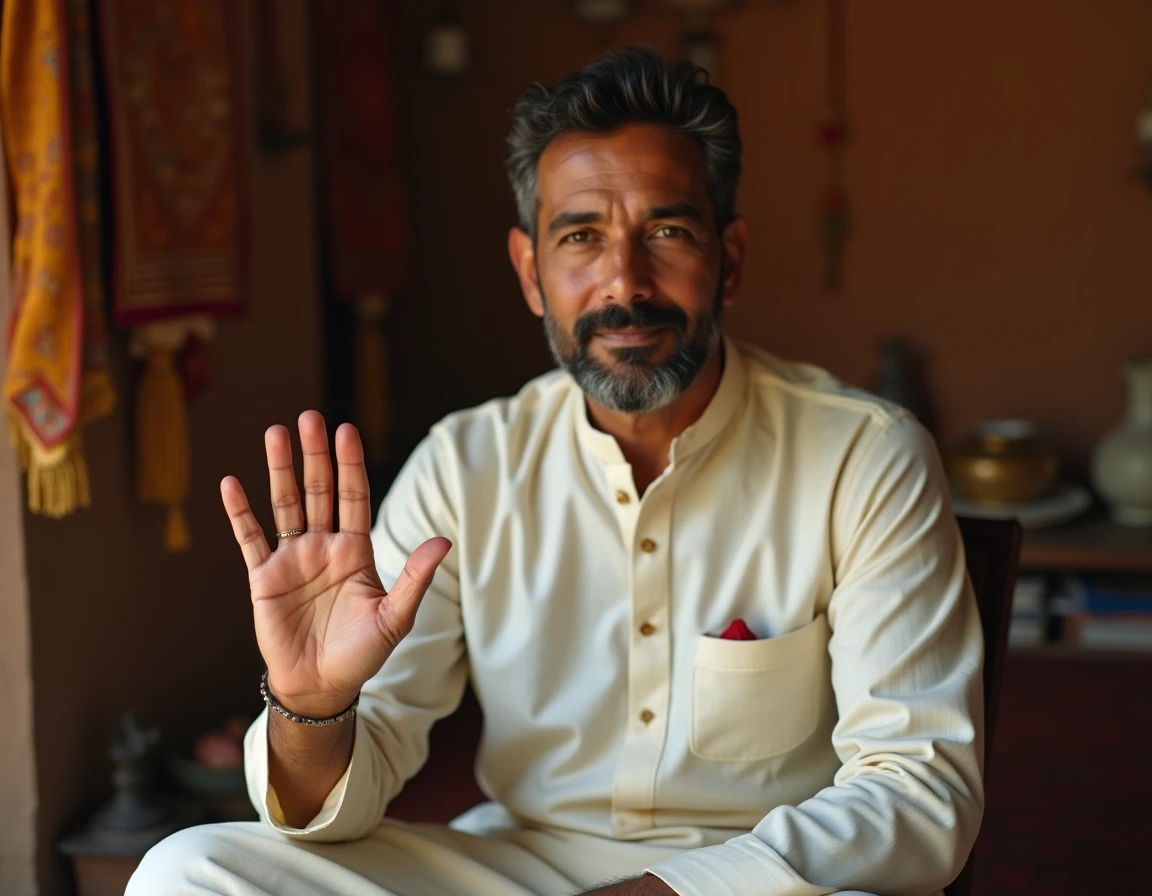
Ottoman Empire, Tsarist Russia, China: three systems, one mechanism of social distinction
The common thread among these three cultural areas is not aesthetics. It is the rigid social hierarchy that makes the sign readable.
The little finger in the Ottoman Empire
In the Ottoman Empire, men of high rank allowed the nail of their little finger to grow to signify their complete detachment from manual labor. The gesture was visible, permanent, and impossible to simulate over time for a worker. A long and intact nail constitutes physical proof of idleness.
Tolstoy and the Russian aristocracy
In Anna Karenina, Tolstoy stages a revealing exchange between a rural nobleman and a Moscow prince. The rural nobleman cuts his nails to work the land, while the urban aristocrat wears accessories on his wrists that prevent any manual activity. The long nail functions as a certificate of belonging to the idle class, just like the unusable cuffs.
The Chinese reading, more complex than a simple sign of wealth
In China, the long nail is not limited to the little finger. The literate elites could wear nail protectors made of gold or jade on several fingers. The little finger alone represents a popular and simplified version of this code. The shift is notable: from a marker of scholarly caste, the practice becomes a more diffuse identity sign, blending personal aesthetics and status assertion.
Long little finger nail as a practical tool: the functional explanation that is often overlooked
Popular articles focus on symbolism and the mysterious dimension. The most down-to-earth explanation is, however, documented in several cultural narratives: the little finger nail serves as a daily tool.
- Scratching surfaces (labels, residues, wax) without resorting to a separate object
- Peeling off small elements, manipulating fine objects (beads, seeds, components)
- Cleaning the ear, a use attested in several regions of sub-Saharan Africa and Southeast Asia
This utilitarian reading coexists with the symbolic reading without contradicting it. In the most disadvantaged areas, the nail replaces a tool that one cannot afford to buy or carry. The same physical gesture then carries a radically different meaning depending on the socioeconomic context of its wearer.
Popular beliefs and superstitions surrounding the little finger nail
Beyond status and utility, the long little finger nail is part of a network of local beliefs that vary greatly from region to region.
In Réunion, the practice persists among some men and is subject to multiple explanations: a cultural heritage blending African influences, Indian world influences, and Creole traditions. The mixing of interpretations reflects that of the population itself. No single explanation dominates.
In other contexts, the long nail is associated with protective virtues or luck. These beliefs have no medical or scientific basis, but they contribute to the persistence of the practice where motivations of social status have disappeared.
- Protection against the evil eye (attested in certain West African traditions)
- Sign of belonging to a group or brotherhood
- Voluntary identity assertion, detached from any superstition, as a cultural gesture passed down from father to son
Why the mystery surrounding the little finger nail is often exaggerated
Online content frequently treats this practice as a puzzle to be solved. We observe that sensationalism replaces the analysis of the social mechanisms at work. However, each explanation (status, tool, belief, identity) relies on well-identified dynamics in cultural anthropology.
The real issue is not “why a long nail,” but rather how the same bodily gesture changes meaning according to geography, time, and social class. An Ottoman aristocrat and a contemporary Réunion artisan share the same nail, but not the same message.
What makes the practice fascinating is precisely this polysemy of the body as a medium of social communication. The little finger nail is a micro-sign whose reading requires knowledge of the context. Without this context, any interpretation remains speculative.