A food and wine pairing relies on a small number of measurable variables: the aromatic intensity of the dish, the structure of the wine (acidity, tannins, residual sugar), and the serving temperature. Comparing these parameters allows us to identify combinations that work and those that disrupt a meal. Rather than listing abstract rules, this article examines the concrete interactions between these variables to refine your bottle choices.
Dish Intensity and Wine Weight: Correspondence Table
The first criterion for a successful pairing is neither the color nor the grape variety, but the balance of intensity between the dish and the wine. A light dish paired with a powerful wine overwhelms the flavors of the former. The opposite creates a wine that disappears on the palate.
| Dish Intensity | Examples of Dishes | Suitable Wine Profile | Examples of Grape Varieties or Appellations |
|---|---|---|---|
| Light | Fish carpaccio, fresh goat cheese salad | Dry white wine, low in alcohol, bright acidity | Muscadet, Chablis, Picpoul de Pinet |
| Medium | Roast poultry, mushroom risotto | Full-bodied white or light red, soft tannins | Burgundy white, Alsace Pinot Noir, Côtes-du-Rhône |
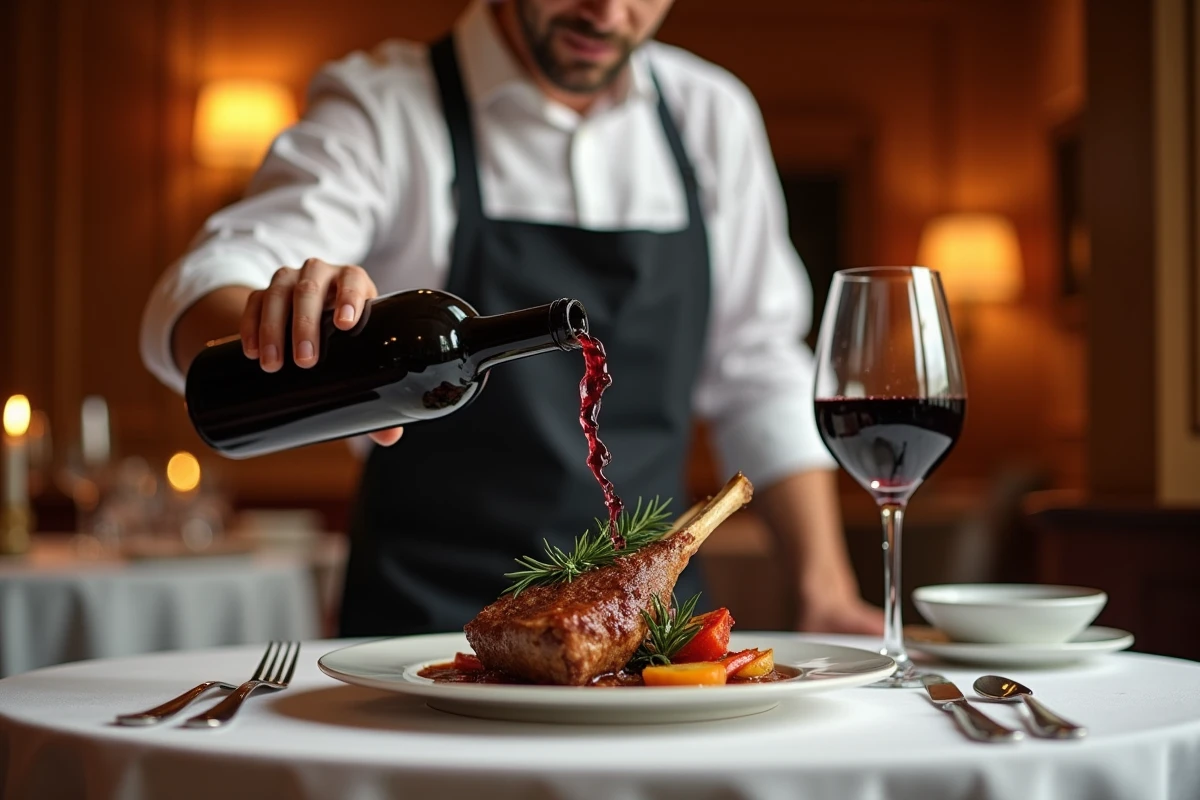
| Strong | Braised beef, game in sauce, aged cheeses | Structured red, present tannins, good length | Cahors, Madiran, Châteauneuf-du-Pape |
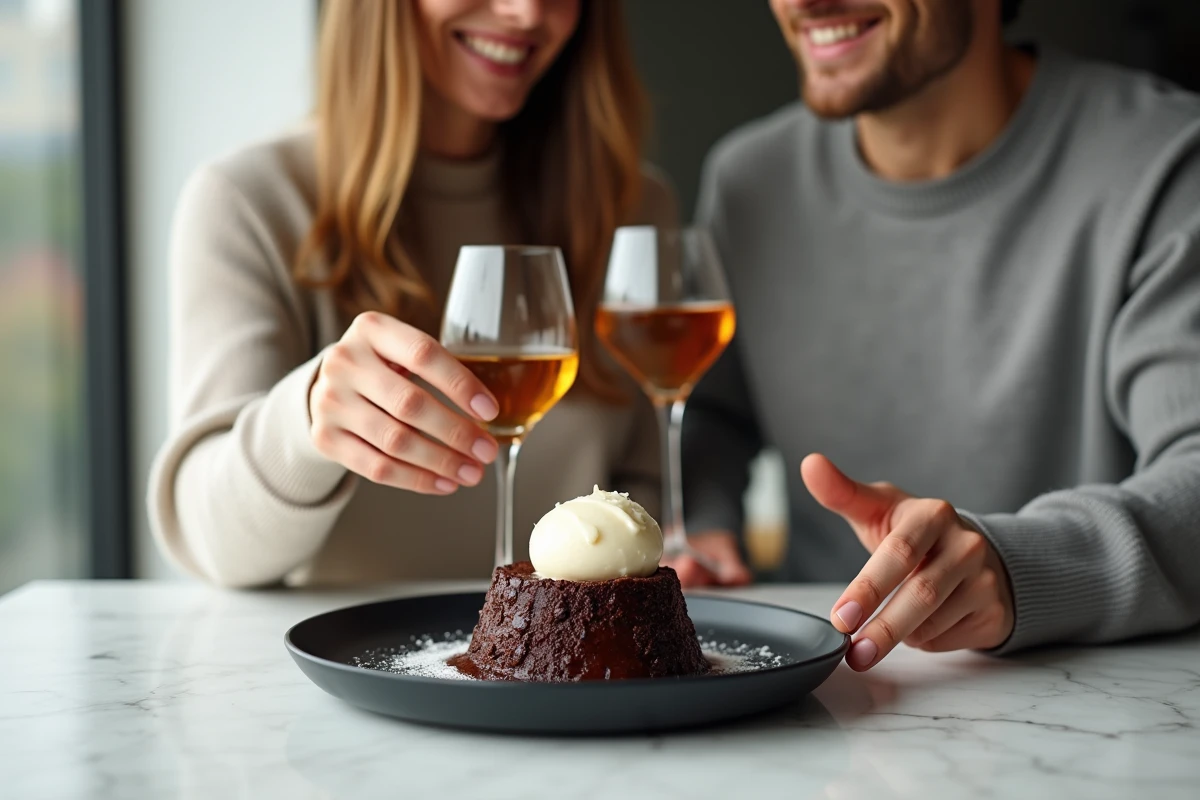
| Very Rich | Pan-fried foie gras, dark chocolate dessert | Sweet wine or naturally sweet wine | Sauternes, Banyuls, Jurançon |
This table illustrates a simple principle: the power of the wine should follow that of the dish, not precede it. When you identify where your dish falls on this scale, the choice of wine becomes considerably easier.
Looking for the best food and wine pairings often involves applying this intensity grid before getting lost in the details of terroir or vintage.
Acidity and Tannins: Two Levers that Change the Pairing
Beyond overall intensity, two components of wine interact directly with the flavors of the dish: acidity and tannins. Their role is measurable on the palate and explains why some pairings work better than others.
Wine Acidity Against Fatty Ingredients
Acidity acts as a counterbalance to fatty or creamy dishes. A wine with high acidity (Sancerre, dry Riesling) “cleanses” the palate between each bite of a rich butter or cream dish. In contrast, a round and low-acid wine paired with the same dish creates a feeling of heaviness.
This mechanism also works with sauces. A lemon sauce calls for a wine whose acidity is at least equivalent, or else the wine will taste flat and dull by contrast.
Tannins and Proteins: A Direct Chemical Interaction
The tannins in red wine bind to the proteins in meat, softening their perception on the palate. This is why a tannic red seems smoother with red meat than as an aperitif. Conversely, tannins accentuate bitterness when in contact with fish, particularly species rich in iodine.
This reaction explains the frequently cited rule of “fish with white.” The rule holds, not out of tradition, but because the tannins in red produce an unpleasant metallic bitterness when in contact with certain seafood.
Pairings by Contrast or Similarity: Two Distinct Logics
Most guides treat pairings as a list of fixed recipes. However, two logics structure all possible combinations, and distinguishing them allows for breaking away from conventional associations.
- Pairing by Similarity: the wine extends the aromas of the dish. A dish with tropical fruits paired with a Viognier with apricot notes, a honey dessert with a Jurançon, a smoked dish with a wine aged in oak barrels. Harmony relies on the convergence of aromatic profiles.
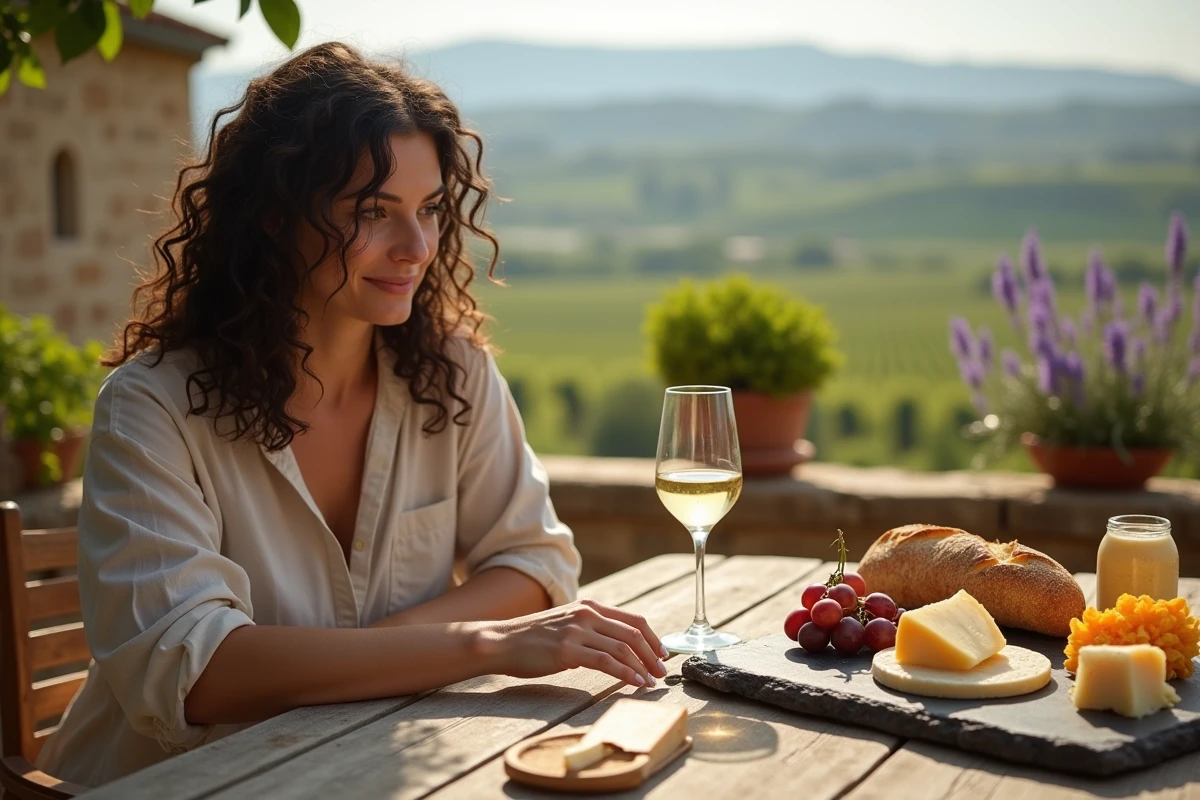
- Pairing by Contrast: the wine compensates for or opposes a dominant flavor of the dish. A salty and powerful Roquefort with a sweet Sauternes, a spicy dish with a slightly sweet white that tempers the heat. The tension between the two creates a more complex sensory experience.
- Regional Pairing: products from the same terroir have historically co-evolved. A Muscadet with Breton oysters, a red Bandol with a Provençal daube. This logic is not folkloric: soil and climate profiles shape real complementarities between vines and local crops.
Pairing by contrast requires more precision than pairing by similarity. A too pronounced gap between flavors creates an imbalance instead of an interesting tension.
De-alcoholized Wines and Alternatives: An Angle Still Underexplored in Pairings
Restaurant menus now include de-alcoholized or low-alcohol wines, opening up a field of pairings that is still poorly documented. The absence of alcohol alters the perception of the texture and body of the wine, changing the logic of association.
A de-alcoholized white wine retains some of its acidity and fruity aromas but loses the roundness provided by alcohol. Pairings with light and acidic dishes remain coherent, while rich or saucy dishes find it difficult to resonate sufficiently with these wines.
This evolution also reflects the rise of “pairing” in a broader sense. Beers, teas, infusions, or cocktails enter the pairing logic, with the same analytical parameters: intensity, acidity, bitterness, sugar. The analytical framework presented in this article applies to these beverages in the same way.
Choosing a wine for a dish remains an exercise in sensory analysis, not a memorization of lists. Identify the intensity, assess the acidity and tannins, then decide whether you are looking for similarity or contrast. These three steps cover the vast majority of situations, from aperitif to dessert.